Marketing Media Trends: How Different Types of Media Can Benefit Your Business
In an era when consumers are exposed to a vast amount of information and advertising every day, choosing the right marketing media is essential.
Marketing Media Trends: How Different Types of Media Can Benefit Your Marketing
In an era when consumers are exposed to a large amount of information and advertising every day, choosing the right marketing media has become an important factor in helping businesses reach their target audiences, build brand recognition, and increase sales opportunities effectively.
Marketing media today is no longer limited to advertising through a single channel. Businesses should combine both in-store media and online media to create a seamless customer experience—from brand awareness and product consideration to the final purchasing decision.
This article explains the role of each type of marketing media and how businesses can use them effectively to meet the changing behavior and expectations of modern consumers.
What Is Marketing Media?
Marketing media refers to the tools or channels businesses use to communicate information about their products, services, promotions, and brand image to their target audiences.
The purpose of marketing media is not limited to selling products. It also includes building awareness, providing useful information, establishing credibility, and maintaining long-term relationships with customers.
Marketing media can generally be divided into two main categories:
In-store media
Online media
Each type has its own strengths, and they can work together to improve the overall effectiveness of a marketing plan.
How Can In-Store Media Benefit Your Marketing?
In-store media, also known as point-of-purchase media, refers to media displayed or used inside retail stores, sales locations, event spaces, or service areas. Its purpose is to attract customers’ attention and encourage purchasing decisions.
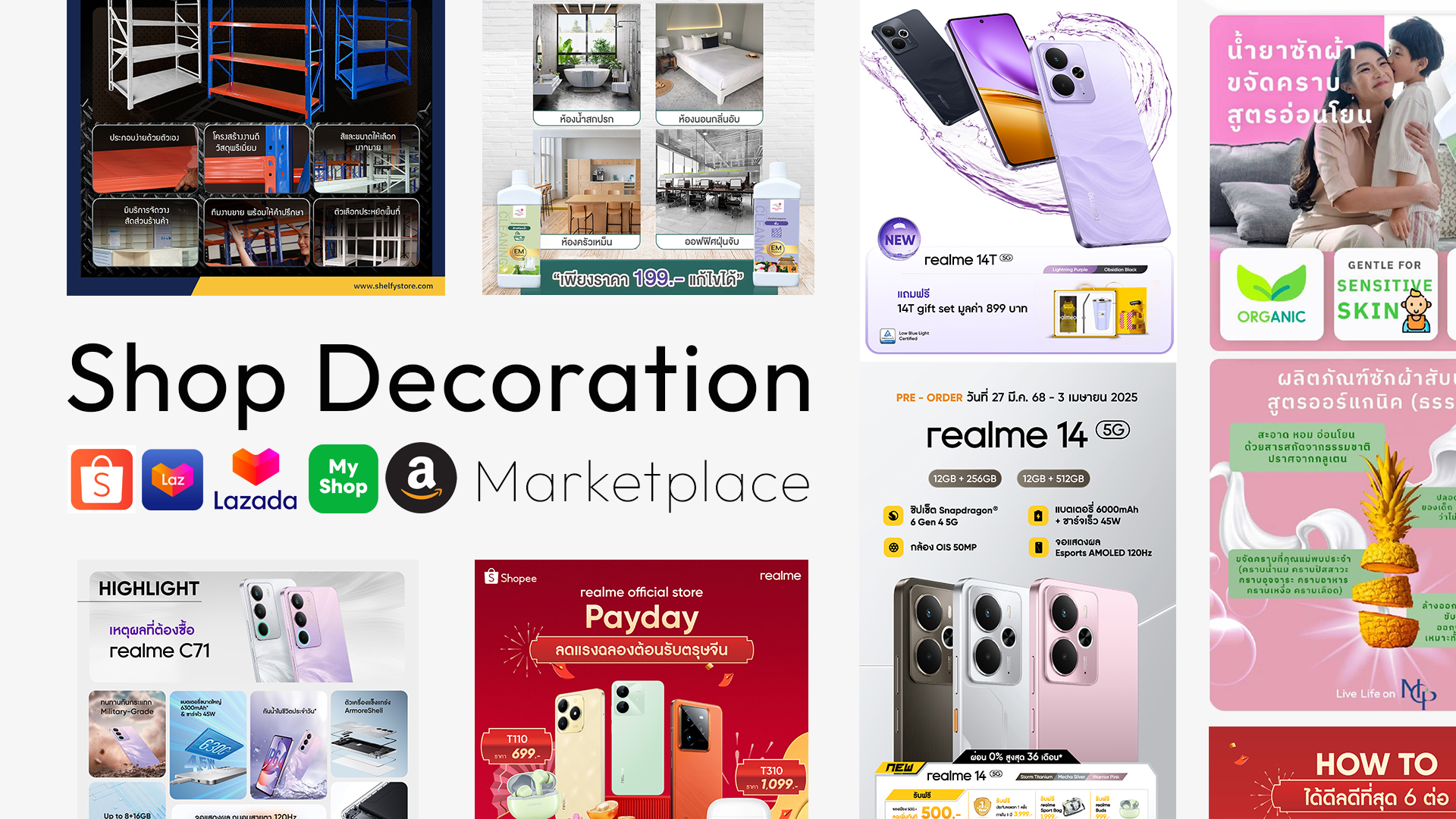
Examples of in-store media include promotional signs, posters, standees, product displays, price signs, banners, light boxes, hanging flags, and digital displays.
1. Attracts Customer Attention
Customers walking past a store may not initially intend to make a purchase. However, well-designed in-store media with clear messages and strong visual appeal can encourage them to stop, look at the products, and enter the store.
Using suitable colors, typography, product images, and promotional messages can increase the likelihood of attracting people in the surrounding area.
2. Communicates Promotions Immediately
One of the main strengths of in-store media is its ability to communicate important information to customers at the moment closest to their purchasing decision.
Whether the message is about a discount, a buy-one-get-one-free offer, a new product, or a limited-time promotion, customers can quickly see and understand the offer. This reduces the need to search for additional information and increases the chance of making a purchase.
3. Encourages Impulse Purchases
Many customers make purchasing decisions based on products and promotions they see inside a store, even when those products were not originally included in their shopping plans.
Placing product recommendation signs, promotional displays, or product shelves in strategic locations can encourage impulse buying, especially near checkout counters, main walkways, and high-traffic areas.
4. Strengthens Brand Image and Recognition
In-store media designed consistently with a brand’s identity—including its colors, logo, typography, and communication style—can make the store appear more professional and memorable.
When customers repeatedly see consistent brand communication, they become more familiar with the brand and are more likely to develop trust over time.
5. Makes Product Selection Easier
In-store media is not only used for advertising. It can also organize information and guide customers through the shopping environment.
For example, product category signs, directional signs, product information displays, and comparison charts can help customers find products more quickly, reduce confusion, and improve their overall shopping experience.
Current Trends in In-Store Media
Modern in-store media places greater emphasis on customer experience. Instead of displaying a large number of signs, businesses are focusing on clear communication, attractive design, and appropriate placement.
Minimalist In-Store Media
Using short, easy-to-read messages with only one or two main points allows customers to understand information quickly and reduces visual clutter.
Digital Media Inside Stores
Digital screens, LED signs, and electronic displays allow businesses to update content at any time. These formats are especially suitable for stores with frequently changing promotions or new product launches.
Media Connected to Online Channels
Many businesses use QR codes on in-store signs to direct customers to websites, online stores, digital menus, membership forms, or social media channels.
This approach creates a smooth connection between the physical store and online customer experience.
Experience-Driven Media
Businesses are increasingly creating photo areas, interactive activities, and product-testing spaces to encourage customers to engage with the brand.
These experiences can also motivate customers to share photos and content on social media, helping the brand gain additional exposure.
How Can Online Media Benefit Your Marketing?
Online media refers to marketing content distributed through the internet and digital platforms, including websites, Facebook, Instagram, TikTok, YouTube, LINE, email, and online advertisements.
Online media plays an important role for businesses of all sizes because it allows them to reach consumers quickly, measure performance, and customize content for different target audiences.
1. Expands the Brand’s Reach
Online media removes many limitations related to location and time. Businesses can communicate with customers 24 hours a day, regardless of whether those customers are located near or far from a physical store.
For small businesses, online media also creates opportunities to reach new customers without investing in multiple physical branches.
2. Enables More Accurate Targeting
Online advertising allows businesses to define audiences based on factors such as age, location, interests, behavior, and the devices they use.
Effective targeting reduces spending on audiences who are unlikely to be interested in the product and increases the chance of reaching consumers who may become customers.
3. Builds Awareness and Credibility
Consistently publishing high-quality content helps target audiences become more familiar with a brand and understand it better.
Educational content, product reviews, case studies, behind-the-scenes stories, and answers to frequently asked questions can build credibility and position the brand as an expert in its industry.
4. Encourages Customer Interaction
Online media allows customers to comment, send messages, ask questions, and share content directly.
Responding quickly and politely helps build positive relationships, reduces uncertainty before purchase, and increases the likelihood of repeat business.
5. Makes Marketing Performance Measurable
One of the major advantages of online media is that businesses can track results such as website traffic, impressions, clicks, engagement, orders, and customer acquisition costs.
This information helps businesses identify which media or campaigns are performing well and which areas should be improved to make marketing budgets more effective.
6. Increases Sales and Encourages Repeat Purchases
Online media can move customers quickly from awareness to purchase through product links, online stores, chat channels, and booking systems.
Businesses can also use email marketing, LINE messages, and retargeting advertisements to announce promotions, recommend additional products, and encourage existing customers to purchase again.
Online Media Trends Businesses Should Focus On
Online user behavior continues to change. Businesses should therefore choose content formats that suit both the platform and the behavior of their target audience.
Short-Form Video
Short-form video is highly engaging because it is easy to watch, quick to understand, and suitable for mobile devices.
Businesses can use short videos to present products, demonstrate how to use them, share reviews, provide useful knowledge, or show behind-the-scenes activities. This can increase reach and make the brand feel more approachable.
Content That Provides Value Beyond Selling
Consumers are often more interested in content that solves problems or provides useful information than in direct sales messages.
SEO articles, guides, infographics, educational videos, and frequently asked questions can attract people who are searching for information and create opportunities to convert them into customers in the future.
User-Generated Content
Reviews, photos, and videos from real customers can build greater trust than communication created solely by the brand.
Businesses can encourage customers to share their experiences through campaigns, hashtags, activities, or special benefits. This creates authentic content that can support purchasing decisions.
Personalized Communication
Using information about customers’ interests or behavior to recommend relevant content, products, or promotions can make communication more meaningful and effective.
However, businesses should use customer data transparently, respect privacy, and comply with applicable personal data protection laws.
Search Through Websites and Social Media
Consumers no longer search for information only through traditional search engines. They increasingly use social media platforms to discover products, restaurants, reviews, and solutions to their problems.
Businesses should therefore use relevant keywords, write clear descriptions, and create content that directly answers the questions of their target audiences.
What Is the Difference Between In-Store Media and Online Media?
In-store media is suitable for communicating with customers who are physically present at a store or service location. It plays an important role in attracting attention, providing information, and encouraging immediate purchasing decisions.
Online media, on the other hand, is suitable for building broad awareness, reaching new target audiences, maintaining customer relationships, and tracking campaign performance.
Although the two types of media have different strengths, they should not be completely separated. A customer may first see a product online before visiting a store, or discover a product in-store and later search for more information online before making a purchase.
How Can In-Store and Online Media Work Together?
Combining both types of media allows a brand to create a seamless customer experience and increase the likelihood of completing a sale.
Use Consistent Messaging and Visual Identity
The colors, logos, images, messages, and promotions used online should be consistent with those used in-store. This makes the brand easier to recognize and prevents customer confusion.
Add QR Codes to In-Store Media
QR codes can direct customers to ordering pages, product menus, online coupons, membership registration pages, or social media profiles.
Promote the Physical Store Through Online Channels
Businesses can use social media to promote special offers, events, new products, and the atmosphere inside the store. This can encourage followers to visit the physical location.
Encourage In-Store Customers to Share Online
Photo areas, check-in activities, and hashtag campaigns can turn in-store customers into brand advocates who share their experiences through online channels.
Collect Customer Information for Future Communication
Businesses can invite in-store customers to register as members, add the brand on LINE, or subscribe to updates. This information can then be used to communicate promotions and maintain customer relationships after the purchase.
Which Type of Marketing Media Should You Use?
The choice of marketing media should be based on the business’s objectives, target customers, available budget, and the characteristics of its products or services.
To increase store traffic, in-store media, promotional signs, and location-targeted advertising may be effective choices.
To build broad brand awareness, businesses should focus on video, social media, websites, and SEO articles.
To increase sales, promotional media should present a clear offer and provide convenient ordering or enquiry channels.
Businesses that want to build customer loyalty should focus on membership data, communication through LINE or email, and personalized benefits for different customer groups.
Conclusion
Both in-store media and online media play important roles in business marketing.
In-store media attracts attention, communicates promotions, creates atmosphere, and encourages purchasing decisions at the point of sale. Online media expands reach, builds credibility, supports customer communication, and provides measurable performance data.
An effective marketing strategy is therefore not about choosing only one type of media. It is about designing all channels to work together—from building awareness and supporting purchasing decisions to encouraging repeat purchases.
When businesses understand the role of each type of media and use it according to their goals, they can create better customer experiences and increase their opportunities for sustainable marketing growth.